
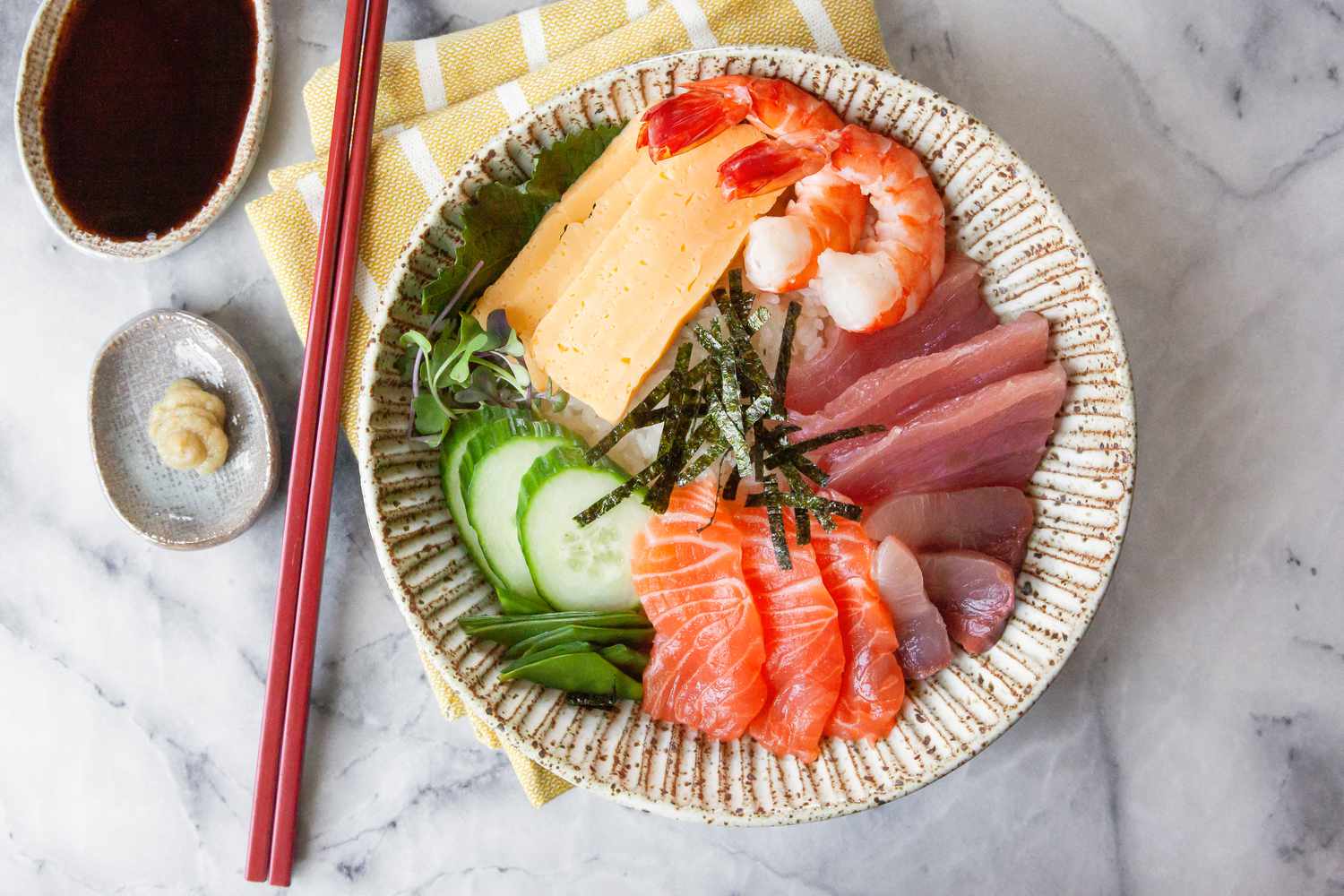
Japanese home cooking is sometimes imagined as a carefully arranged meal with rice, miso soup, grilled fish, and several vegetable dishes.
Meals like this certainly exist.
However, Japanese people also have busy days when there is little time or energy to cook.
After a long day at work, many people prepare something quick, use prepared food, or make a simple one-bowl meal.
So, what do Japanese people cook when they are busy?
Donburi: Everything in One Bowl
Donburi is one of the most convenient types of Japanese home cooking.
The word refers to a large bowl, but it is also used for dishes in which meat, fish, eggs, or vegetables are served over rice.
Popular examples include:
- Oyakodon: chicken and egg over rice
- Gyudon: simmered beef and onions over rice
- Katsudon: pork cutlet and egg over rice
- Soboro don: seasoned minced meat and egg over rice
- Tofu or vegetable donburi
Donburi meals are popular because the rice and toppings are served together.
There is no need to prepare several side dishes, and there are fewer plates to wash.
Noodles Are an Easy Choice
Noodles are another common option for busy days.
Japanese homes may keep dried udon, soba, somen, or instant noodles in the cupboard.
Frozen udon is especially convenient. It can be heated quickly and served in soup or mixed with vegetables, eggs, meat, or tofu.
Common quick noodle meals include:
- Udon in hot broth
- Cold soba with dipping sauce
- Somen with simple toppings
- Yakisoba with vegetables
- Ramen with an egg and green onions
Noodle dishes can be very simple, but toppings make them easy to adapt.
Japanese Curry Is a Home-Cooking Favorite
Japanese curry rice is one of the most familiar home meals in Japan.
It is commonly made with onions, carrots, potatoes, and meat. Families often use packaged curry roux, which makes preparation easier.
A large pot can provide dinner for more than one day.
The next day, leftover curry may be served over rice again or used to make curry udon.
Japanese curry is not usually considered a special restaurant dish. For many people, it is a comforting taste of home.
Prepared Foods Are Also Part of Real Life
Not everything eaten at home is cooked from the beginning.
Supermarkets and convenience stores in Japan sell many prepared foods, known as sozai.
These may include:
- Croquettes
- Grilled fish
- Fried chicken
- Gyoza
- Simmered vegetables
- Salads
- Cooked rice
- Bento meals
A family might buy one prepared dish and make rice and miso soup at home.
Someone living alone might buy a bento and add fruit or soup.
Using prepared food is not unusual. It is one of the ways people manage everyday life.
Leftovers Are Often Reused
Japanese home cooks also find ways to use food from the previous day.
Leftover rice can become fried rice or rice porridge.
Cooked vegetables can be added to soup.
Curry can become curry udon.
Small amounts of meat, tofu, mushrooms, and vegetables can be cooked together in a hot pot or stir-fry.
Home cooking is often about using what is available rather than following a perfect recipe.
Ichiju Issai Makes Busy-Day Cooking Easier
The idea of ichiju issai, or “one soup and one dish,” is also useful on busy days.
Instead of preparing several side dishes, a person might make:
- Rice
- Miso soup with vegetables
- Grilled fish or tamagoyaki
The soup can contain several ingredients, making the meal feel satisfying without requiring many separate dishes.
This approach reduces both cooking time and washing up.
It also helps remove the feeling that every home-cooked meal must be elaborate.
Everyday Japanese Food Is Practical
The meals Japanese people cook at home are influenced by time, budget, family size, and what is in the refrigerator.
Some days include several homemade dishes.
Other days may be curry, noodles, a rice bowl, or supermarket food.
Both are part of real Japanese food culture.
When you visit Japan, eating at famous restaurants is an exciting experience. But learning about simple home meals can help you understand how people actually live.
At Kitchen Bee, our cooking experience focuses on familiar Japanese food that can be enjoyed at home.
You will discover that Japanese cooking does not always require special techniques or a long list of ingredients.
Sometimes, the most memorable meal is also the simplest one.
https://kt8en.com/archives/606
https://kt8en.com/archives/610